Food security begins with healthy soils, resilient growers, and regional agricultural infrastructure. Regenera partners with producers, communities, educators, conservation groups, and public agencies to strengthen local food systems and create sustainable agricultural independence.
Global supply chains are increasingly vulnerable to disruption — from climate events to geopolitical instability. When regions can produce their own food, they reduce dependency on distant supply chains, create local jobs, and ensure access to fresh, nutritious food for all residents.
Rising agricultural input costs and soil degradation threaten long-term food availability. Regenera's model addresses these challenges through regional resource utilization, local fertilizer production, soil regeneration, and community-driven agricultural infrastructure.
Global disruptions threaten consistent food availability and price stability.
Escalating fertilizer and transportation costs strain growers and communities.
Declining soil health threatens long-term agricultural productivity.
Building regional agricultural independence for generations to come.
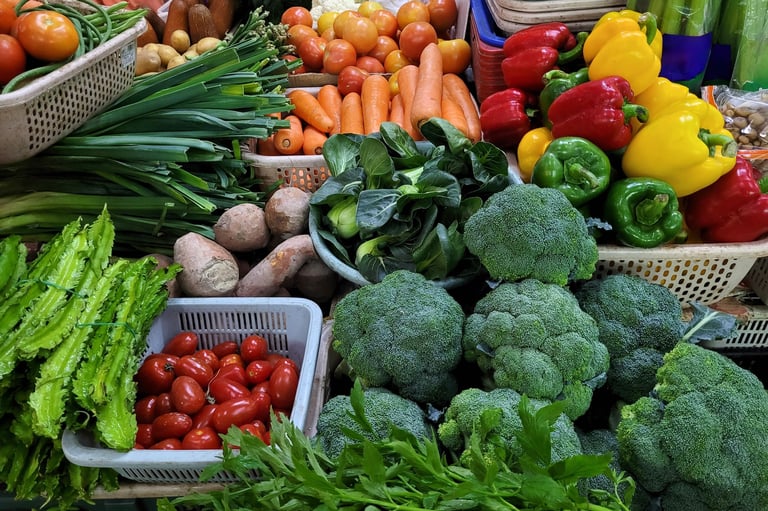
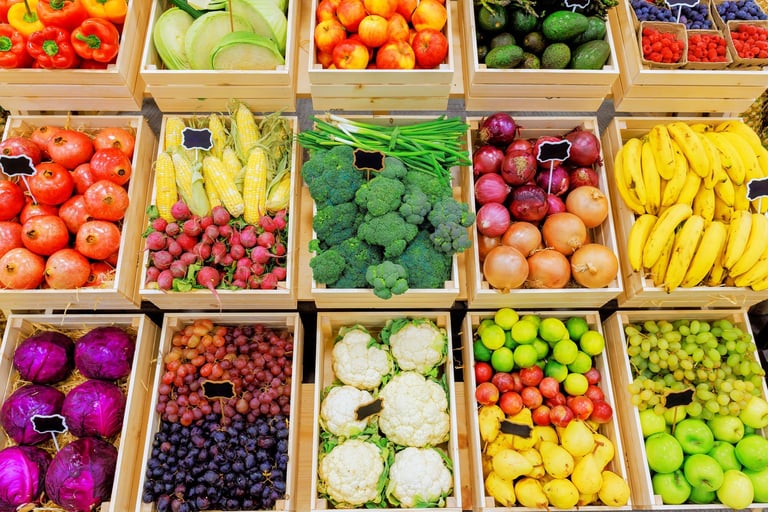
Regenera's regional production model supports long-term agricultural sustainability by developing local fertilizer production, improving soil health, and strengthening the entire food production chain — from input to harvest.
Reduce dependency on imported fertilizers through regional production.
Build fertile, productive soils that support generations of farming.
Strengthen regional supply chains against disruption and volatility.
Reducing dependence on imported food while strengthening local agriculture.
Local fertilizer and food production cuts fuel use and logistics expenses.
Regional food infrastructure creates direct and indirect employment.
Fresh, locally grown food reaches communities faster with more nutrients.
Money stays in the community, supporting regional growth and stability.
The connection between soil health and food security is undeniable. Healthy soils produce more nutritious food, support resilient farming operations, and contribute to long-term regional food independence.
Healthy, mineral-rich soils produce more nutritious crops that support community health and wellness.
Improved soil structure increases water-holding capacity, reducing irrigation demands and drought vulnerability.
Regenerated soils better withstand extreme weather events, protecting food production capacity.
Healthier soils consistently produce higher crop yields, supporting regional food availability.
Regenerative practices lower dependency on synthetic inputs, making farming more economically viable.
Empowering communities to control their own food production and distribution systems.
Healthy soils help capture carbon and improve environmental sustainability through natural sequestration processes.
Healthy agricultural ecosystems support pollinators and beneficial organisms that strengthen the entire food web.
Every strong food system follows a proven pathway — from healthy soils to long-term community resilience.
Regenerated, mineral-rich soils form the foundation of productive agriculture.
Healthy soils produce higher yields and more nutritious crops consistently.
Regional production means more food reaches local markets and communities.
Strong local food systems create jobs and economic stability for communities.
A self-sustaining regional food system that endures for generations.
Food security requires collaboration across every sector. Regenera partners with organizations and individuals committed to strengthening regional food systems.
Farmers, ranchers, and growers building the foundation of regional food production with healthy soils and sustainable practices.
Agricultural education and food literacy programs that connect students with where their food comes from.
Research and demonstration projects that advance agricultural science and validate regenerative practices.
Environmental stewardship programs that protect natural resources while supporting productive agriculture.
Regional agricultural development through public-private partnerships and grant-funded programs.
Food access and outreach initiatives that ensure all community members benefit from local food systems.
Food security doesn't exist in isolation. It's strengthened by Regenera's broader mission across education, conservation, veteran support, and community agricultural development.
Building future agricultural leaders through STEM education and workforce development.
Protecting natural resources that make sustainable food production possible.
Youth engagement and agricultural awareness for the next generation.
Supporting small-scale growers who strengthen local food production.
Creating agricultural career opportunities for those who have served.
When communities invest in food security, the benefits extend far beyond the farm — creating lasting economic, environmental, and social value.
Regions that produce their own food are less vulnerable to supply chain disruptions and global market volatility.
Local food production keeps dollars in the community, supporting jobs, businesses, and regional prosperity.
Access to fresh, locally grown nutritious food improves community health outcomes and wellness.
Regenerative practices build living soils that grow more nutritious food year after year.
Farming systems that meet today's needs without compromising future generations' ability to produce food.
Creating meaningful careers and training the next generation of agricultural professionals.
The Food Security Initiative creates value across the entire food system — from growers to consumers to communities.
Whether you're a producer, educator, community leader, conservation partner, or government organization, Regenera is building collaborative solutions that strengthen regional food systems.
Our Food Security Commitment